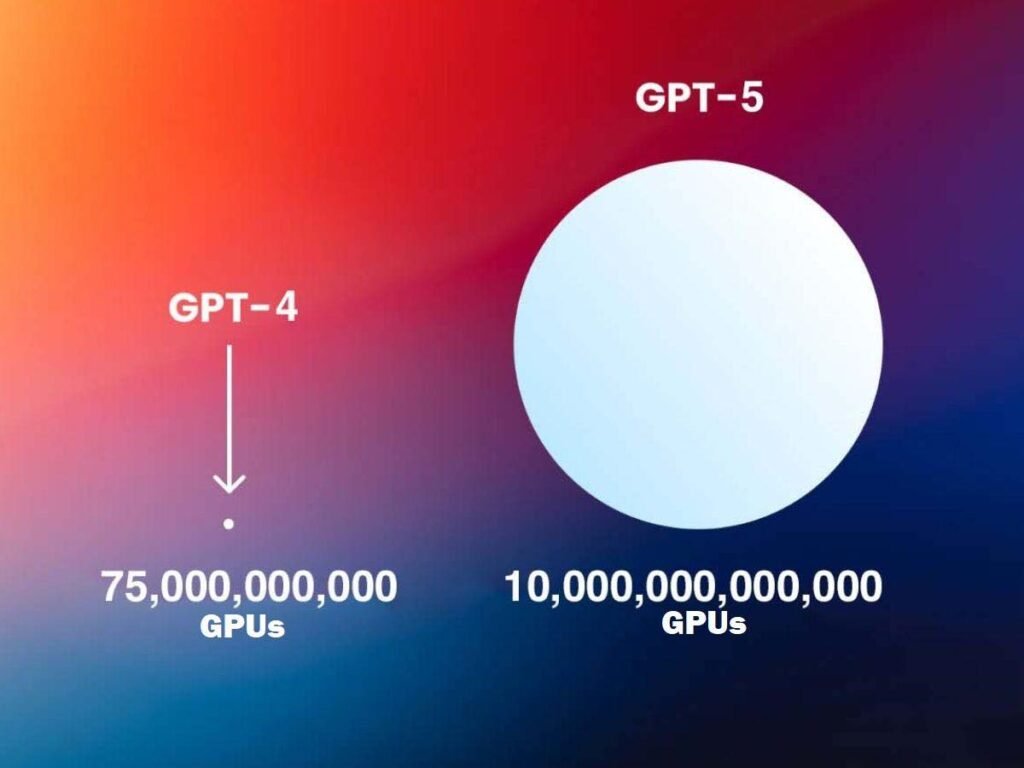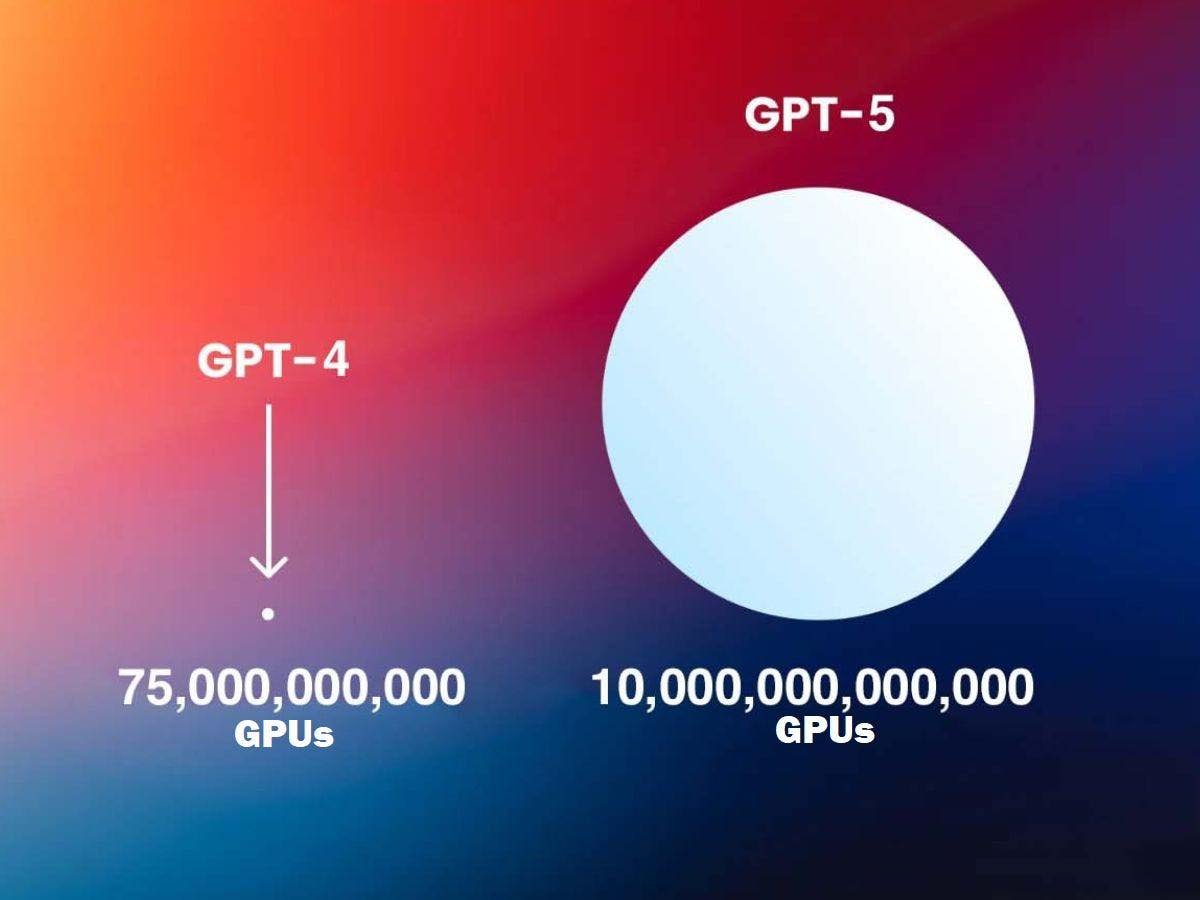
I watched OpenAI’s launch event a couple of days ago, where the company introduced GPT-5 as its most powerful AI model to date. OpenAI CEO Sam Altman called it a major step toward artificial general intelligence (AGI).
Remember when ChatGPT first came out? You could ask it a very specific question and get a convincing answer, only to find that it had made it up. That’s what we call an AI hallucination.
According to Altman, hallucinations with GPT-5 were down by about 45% compared with GPT-4o. Roughly speaking, if the earlier model got something wrong ten times, the new one would do so about five times or fewer. That makes a real difference in work that depends on accuracy, such as programming, research, and specialist writing.
Some of the figures presented:
• GPT-3.5: 8,000 tokens of context (around 4,000 words).
• GPT-4: 32,000 tokens (around 25,000 words).
• GPT-5: 400,000 input tokens (more than 300,000 words) and up to 128,000 output tokens. You can give it an entire book or years of archives and get an answer that draws on the whole thing.
• Coding: The problem-solving rate rose from 69% to 74.9%, and the model produces cleaner code.
• Personalization and integration: You can change its personality, connect it to Gmail and Calendar, and tailor how it works.
We’re seeing a more capable AI that can process much more information and hallucinate less. It can read and analyze far more than it used to.
If you’d like to watch the event, the link was in the first comment on the original post.
#GPT5 #OpenAI #ArtificialIntelligence #AI #Innovation #ChatGPT #Programming #FutureTech